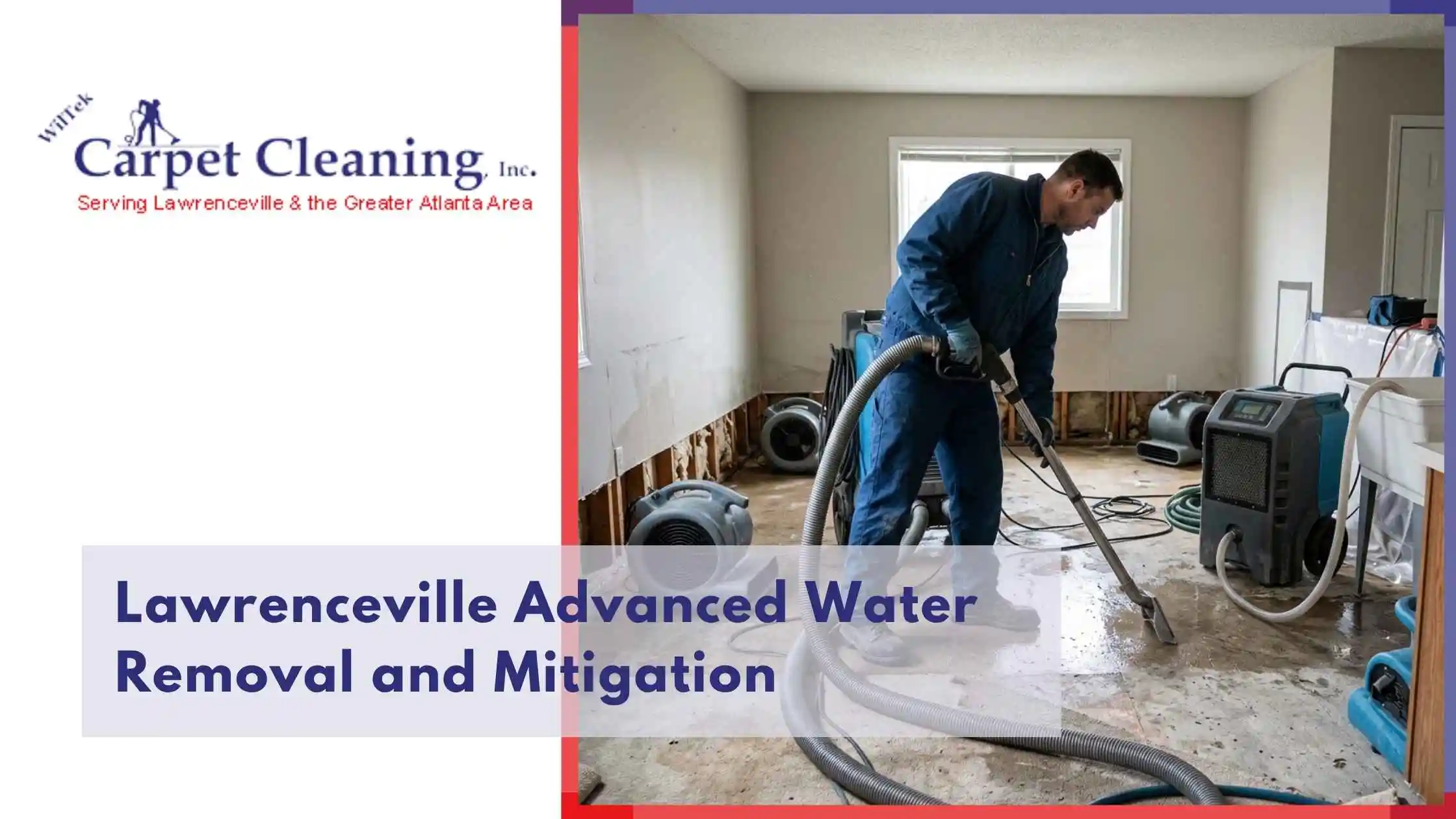
Unexpected water damage can disrupt a Lawrenceville home or business in a matter of minutes. Heavy Georgia rainfall, plumbing leaks, burst pipes, and overflowing appliances can leave water across carpets, flooring, and other interior surfaces. When moisture remains trapped beneath the surface, it can contribute to persistent odors, material deterioration, and conditions that encourage mold growth. Professional water removal and mitigation help address the immediate problem by removing excess water and supporting a more thorough drying process.
Wiltek Carpet Cleaning provides water extraction services in Lawrenceville, using advanced extraction equipment to remove standing water and moisture from carpets, padding, and flooring. The company’s service also includes high-powered drying and dehumidifying techniques to help reduce the risk of further moisture-related damage. Acting promptly can make a significant difference when water unexpectedly enters your property.
Why Water Damage Requires a Prompt Response in Lawrenceville
Lawrenceville experiences seasonal rainfall, humid weather, and occasional severe storms. These conditions can contribute to water intrusion around vulnerable windows, doors, roofs, foundations, and drainage areas. Indoor water damage can also occur without a storm when a pipe breaks, a washing machine hose fails, or a water heater develops a leak.
The visible water is not always the full extent of the problem. Carpet fibers can absorb moisture, while carpet padding may retain water underneath. Depending on the property, moisture can also reach baseboards, subflooring, upholstery, and other porous materials.
A floor that looks relatively dry may still contain hidden moisture. If the affected materials remain damp, unpleasant odors and additional damage may develop. Prompt professional assessment and extraction help identify the areas that need attention before the problem becomes more extensive.
Common Causes of Indoor Water Damage
Understanding how water enters a property can help homeowners and business owners respond appropriately.
Burst or Leaking Pipes
A damaged plumbing line can release water into walls, cabinets, and flooring. Even a leak that initially appears small may cause significant damage if it continues unnoticed. Shutting off the water supply when safe and arranging the necessary plumbing repair are important first steps.
Heavy Rain and Stormwater Intrusion
Strong rainfall can overwhelm drainage systems or expose weaknesses around exterior openings. Water entering through a roof, door, or foundation can spread into carpeted rooms and lower areas of a building.
Stormwater may contain contaminants, so it should not automatically be treated like clean water from a supply line. The appropriate cleanup and disposal procedures depend on the source and contamination level.
Appliance Failures
Washing machines, dishwashers, refrigerators, and water heaters can leak because of damaged hoses, worn connections, or mechanical problems. Water may spread beneath nearby flooring before the leak becomes obvious.
Overflowing Fixtures
An overflowing sink, bathtub, or toilet can saturate floors and surrounding materials. Depending on the fixture and the water source, additional sanitation precautions may be necessary.
How Professional Water Removal and Mitigation Works
Effective water removal involves more than wiping up visible puddles. The process should address standing water, moisture trapped in materials, and the drying needs of the affected area.
1. Assessing the Affected Area
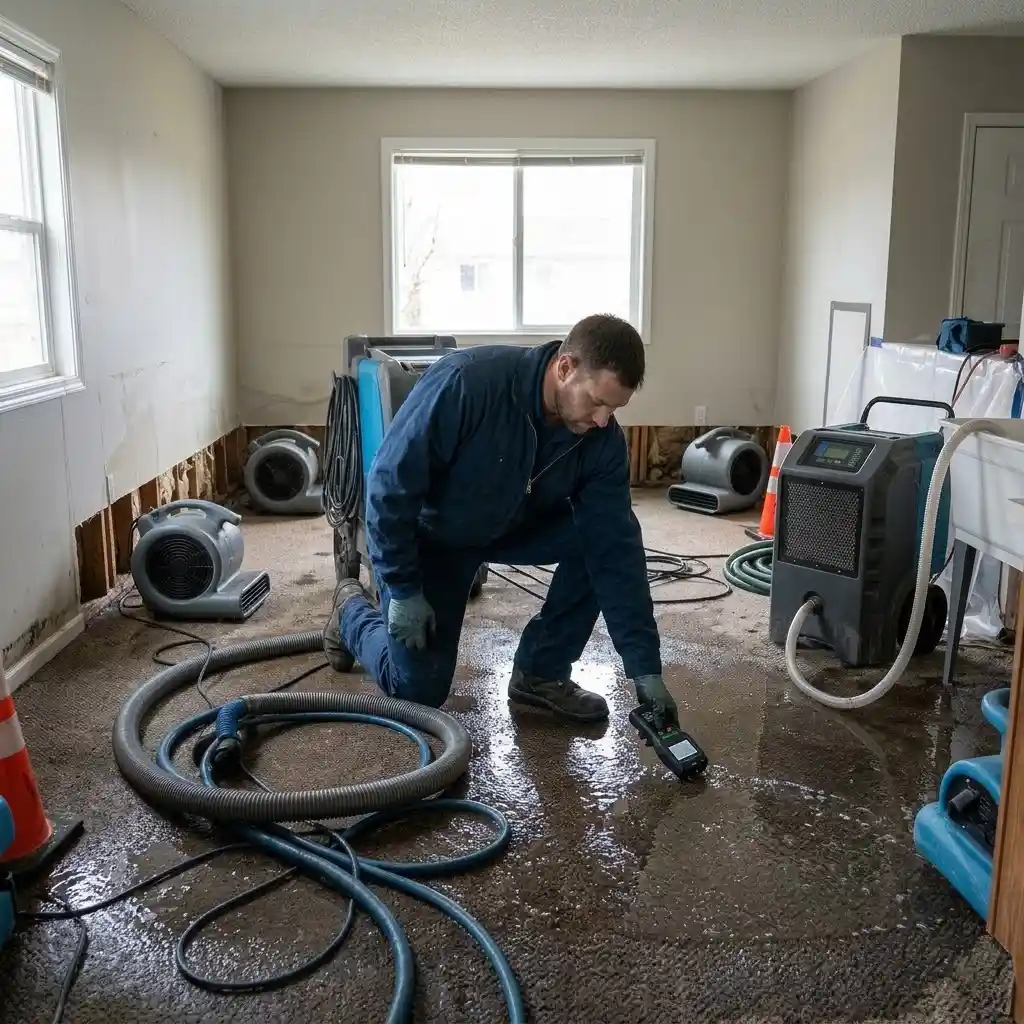
The first step is to identify where water has spread and which materials may be affected. Carpet, padding, hard flooring, and surrounding surfaces can respond differently to water exposure.
The source of the water also matters. Clean water from a supply line requires a different response from sewage or contaminated floodwater. Identifying these differences helps determine the appropriate cleanup approach and whether additional restoration or sanitation services are needed.
2. Removing Standing Water
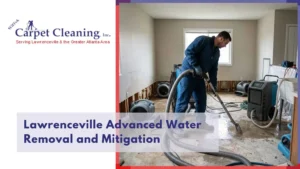
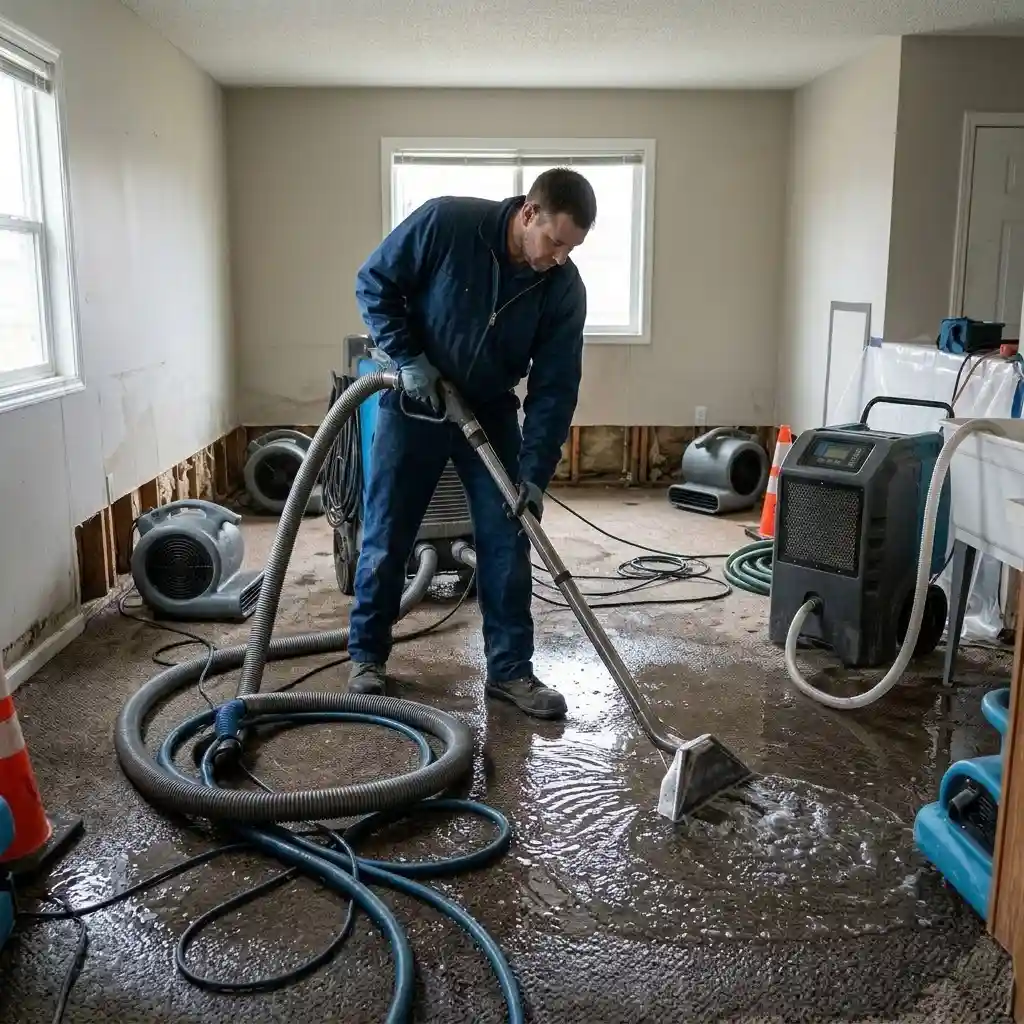
Wiltek Carpet Cleaning uses advanced extraction equipment to remove standing water and moisture from affected carpets, padding, and flooring. Professional equipment is designed to extract water more effectively than ordinary towels or basic household cleaning tools.
Removing excess water promptly can help limit the amount of moisture remaining in the property. However, extraction alone does not always mean that every affected material is dry.
3. Drying and Dehumidification
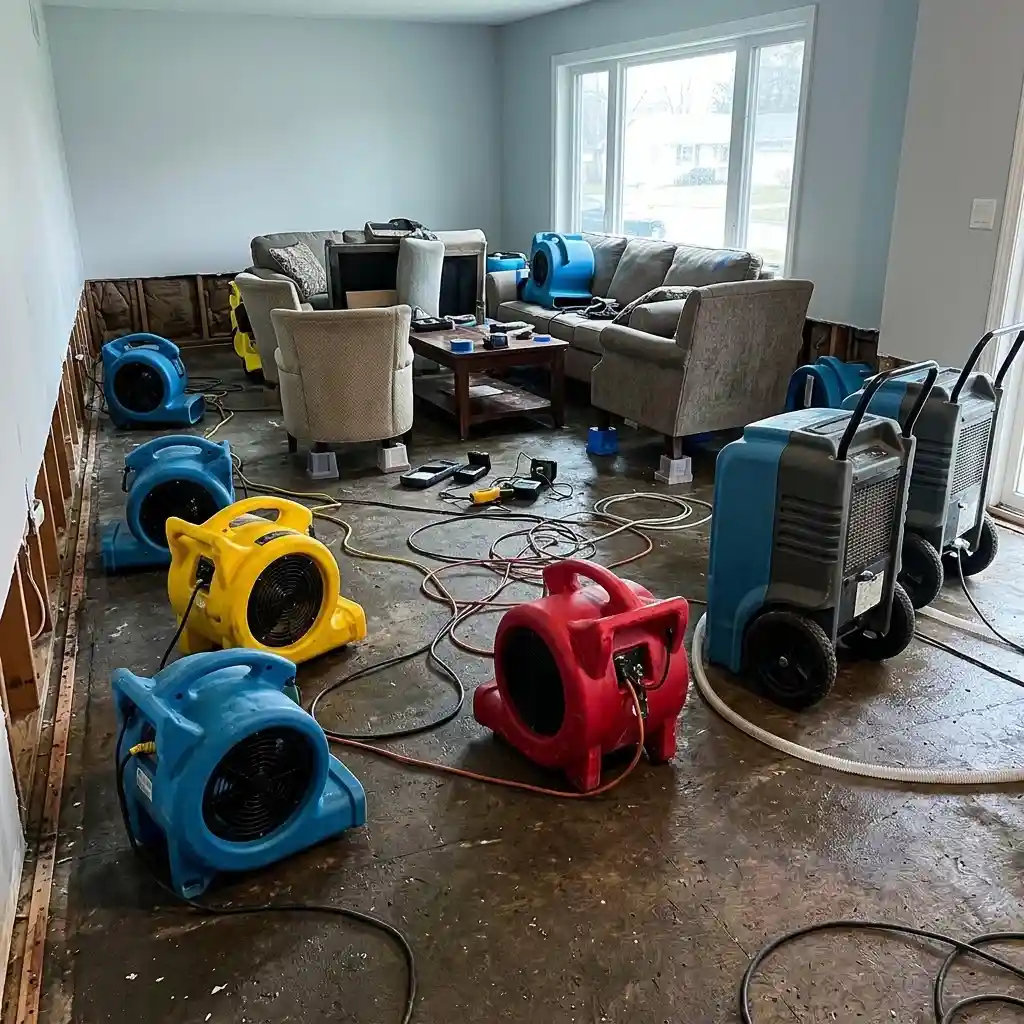
After extraction, affected areas may need additional drying. Wiltek describes using high-powered drying and dehumidifying techniques to help remove residual moisture and reduce conditions that support mold and mildew growth.
Drying requirements vary according to the extent of the water intrusion, the materials involved, indoor humidity, and ventilation. Some properties may need additional restoration work if moisture has reached wall cavities, subfloors, or other concealed spaces.
4. Evaluating the Remaining Moisture
A proper follow-up assessment helps determine whether additional drying or restoration is necessary. Carpet that feels dry on top may still have damp padding underneath, so the condition of the full affected area matters.
When damage extends beyond the surfaces covered by ordinary extraction, a qualified water damage restoration professional may need to inspect the building materials and determine whether removal, replacement, or specialized treatment is appropriate.
The Benefits of Professional Water Extraction
Professional water extraction offers several important advantages when a Lawrenceville property experiences unexpected water intrusion.
Faster removal of standing water: Specialized extraction equipment helps remove accumulated water from affected flooring and carpets.
Reduced moisture exposure: Removing excess water promptly can help limit the time that flooring and other materials remain saturated.
Support for the drying process: Professional drying and dehumidification help address residual moisture after extraction.
Attention to hidden problem areas: A careful assessment can identify materials that may require further drying or restoration.
Reduced risk of persistent odors: Removing water and drying affected materials can help limit musty odors associated with prolonged dampness.
Help protecting property materials: Prompt water removal may reduce the extent of damage to carpets, padding, and other moisture-sensitive materials.
No extraction service can guarantee that mold or structural damage will be prevented in every situation. Results depend on the water source, the extent of the damage, how long materials remained wet, and whether all affected areas receive appropriate treatment.
Why DIY Water Cleanup May Not Be Enough
For a small spill, towels and routine cleaning may be sufficient. A flooded room or saturated carpet is a different situation.
Household equipment often has limited extraction capacity and may not remove moisture trapped beneath carpet or inside padding. Opening windows may help in some circumstances, but outdoor humidity can affect drying, and airflow alone may not address hidden moisture.
Repeatedly cleaning a wet carpet with additional water can also make the problem worse. The priority after a significant water intrusion is to stop the source, remove excess water, and dry affected materials appropriately.
There are also important safety concerns. Water near electrical outlets or appliances can create an electrical hazard. Floodwater may contain sewage, chemicals, or other contaminants. Avoid entering unsafe areas, and contact the appropriate emergency or restoration professionals when necessary.
What to Do Before Water Extraction Begins
Taking a few careful steps can help protect your property while professional assistance is arranged.
- Stop the source if safe: Shut off the water supply when a plumbing leak is responsible and you can do so safely.
- Avoid electrical hazards: Do not walk through standing water near electrical equipment or attempt to operate wet appliances.
- Protect belongings: Move small furniture and valuables away from affected areas only when it is safe.
- Document visible damage: Take photographs of the affected areas for your records and any insurance claim.
- Avoid spreading contaminated water: Do not use ordinary household cleaning methods on potentially contaminated floodwater.
- Arrange professional assistance promptly: Early extraction and assessment can help reduce the time moisture remains in the building.
If the water comes from sewage, outdoor flooding, or another potentially contaminated source, keep people and pets away from the affected area until the appropriate professionals determine how it should be handled.
Why Choose Wiltek Carpet Cleaning in Lawrenceville?
When water affects carpet or flooring, property owners need a practical response that focuses on removing moisture rather than simply improving the appearance of the surface.
Wiltek Carpet Cleaning offers water extraction services for homes and businesses in Lawrenceville and surrounding communities, including Suwanee, Snellville, Duluth, Buford, Dacula, and other areas within its stated service region.
The company’s water extraction service focuses on removing standing water, extracting moisture from carpets and flooring, and supporting the drying process with professional equipment and dehumidification techniques. These steps can help limit further damage when combined with appropriate assessment and any additional restoration the situation requires.
Wiltek also provides carpet cleaning, upholstery cleaning, tile and grout cleaning, and pressure washing. For water-related incidents, the type and extent of damage should guide the service required. Extensive flooding, contaminated water, or moisture affecting structural materials may require a specialized restoration provider in addition to water extraction.
To discuss the condition of your property, explain where the water came from and which areas are affected. This information helps determine the appropriate next steps.
Protect Your Lawrenceville Property With Prompt Water Removal
Water damage can progress beyond the visible puddle, particularly when carpet padding, flooring, or other porous materials remain wet. Prompt extraction and appropriate drying can help reduce moisture-related problems and support the recovery of affected areas.
Wiltek Carpet Cleaning provides water extraction services in Lawrenceville, using professional equipment to remove standing water and support drying and dehumidification. Whether water has entered through a plumbing leak, an appliance failure, or another incident, a timely assessment helps establish the right response.
For water removal and mitigation services, contact Wiltek Carpet Cleaning at 770-990-9179 or email office@wiltekcarpet.com. You can also request a free estimate and discuss the condition of your property to determine the most appropriate next step.